talk, feel, heal
Charles.MentalHealth is a solo psychotherapy practice based in Naarm (Melbourne).
I work mainly with trauma survivors and neurodiverse adults.
Using EMDR, somatic and neuro-affirmative approaches
I aim to help you settle your Central Nervous System so life feels more calm.
How can I help you?
My clients are mostly trauma survivors – survivors of childhood, military, family or sexual trauma. I also see adults who live with neurodiversity, chiefly autism traits. Indeed, many clients present with both neurodiversity and a history of trauma.
Trauma survivors and people with autistic traits typically display at least some of a similar range of behaviours. Consequently, most people I see have a few difficulties at the same time, which might include problems such as:
- anxiety
- anger management
- avoidance
- catastrophising
- hypervigilance
- intrusive thoughts
- panic attacks
- poor sleep
- procrastination
- relationships
- substance use
These symptoms are liable to keep happening until the underlying emotional response to the trauma – usually fear, anger or anxiety in some form – is named and processed. Until then, it’s hard to feel safe in an uncertain world.
A bit about me
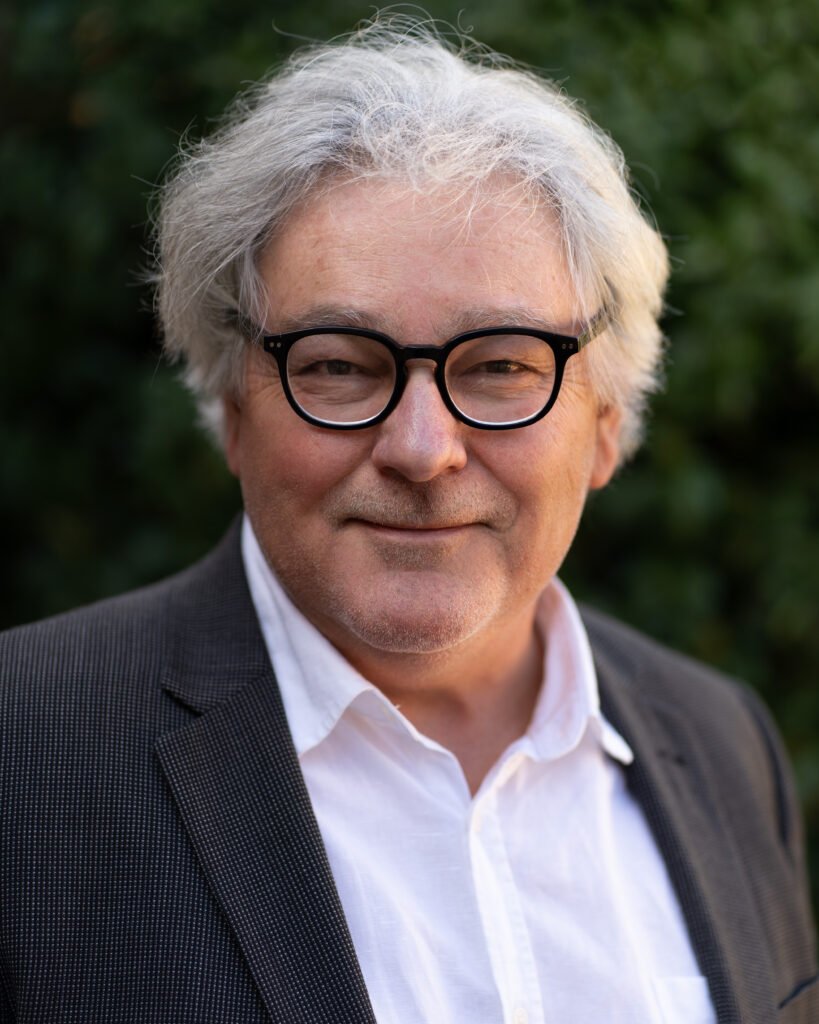
As you can see from the photo I’m getting on a bit – in fact, I’ve been around the block so many times the wheels are falling off! I have two adult children and I’ve been with my second wife since we met in 2007.
Before I became a therapist I spent 20 years as a public relations executive with large organisations and government agencies. Prior to that, I was a journalist writing and editing for publications including The Sydney Morning Herald, The Australian, The Newcastle Herald and Australian Dr Weekly.
All through my adult life, from around age 16 to 66 I was lead singer in several pub bands, mostly soul and blues. It really helped calm my spirit. But my proudest and final musical project was a mind-bending jazz-rock sextet performing all our own material in Adelaide. As I’d say to my mates, some guys play golf and I play music. C’est la vie!
How I work
Unhealed trauma lives below language, so I work with the feelings inside and under your story. I use EMDR – Eye Movement Desensitisation and Reprocessing – and Internal Family Systems-informed work with emotional parts to treat PTSD and CPTSD wounds.
From my clinical observations, people living with autism all share the same core challenge: low tolerance of uncertainty. Their intuitive response to that neurological discomfort is to develop particular routines, habits, social strategies – even belief systems – intended to minimise anxiety generated by an uncertain world. EMDR somatic principles are often helpful with these clients, for whom cognitive reframing can also be a powerful tool.
No matter whether you want help with trauma symptoms or neurodiverse traits, my long-term focus is the same: helping you regulate your Central Nervous System so life feels calmer.
Getting started
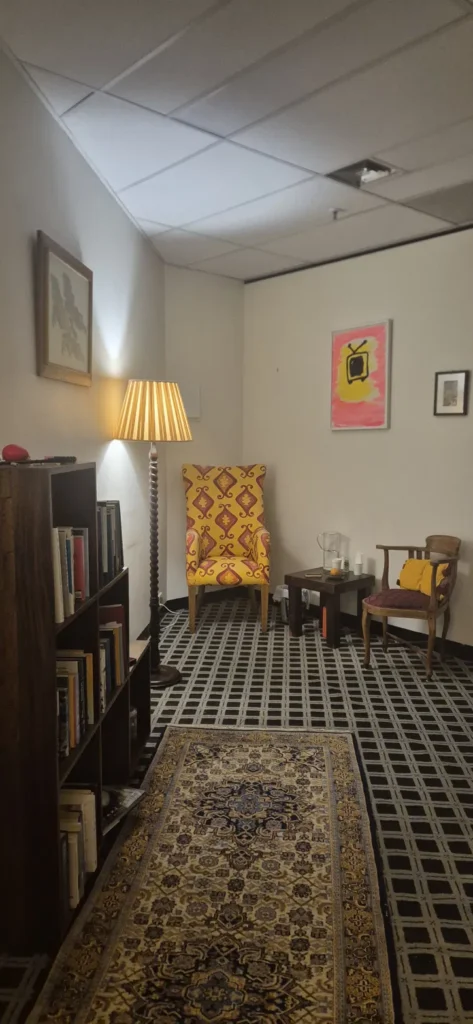
50-minute sessions from Tuesday to Thursday, with the latest appointment at 6pm. The fee is currently $190 per session, and Medicare rebates are available with a current mental health care plan from your GP. I also offer intensive treatment for deep attachment trauma and treatment-resistant CPTSD – from 2 hours to 4 days.